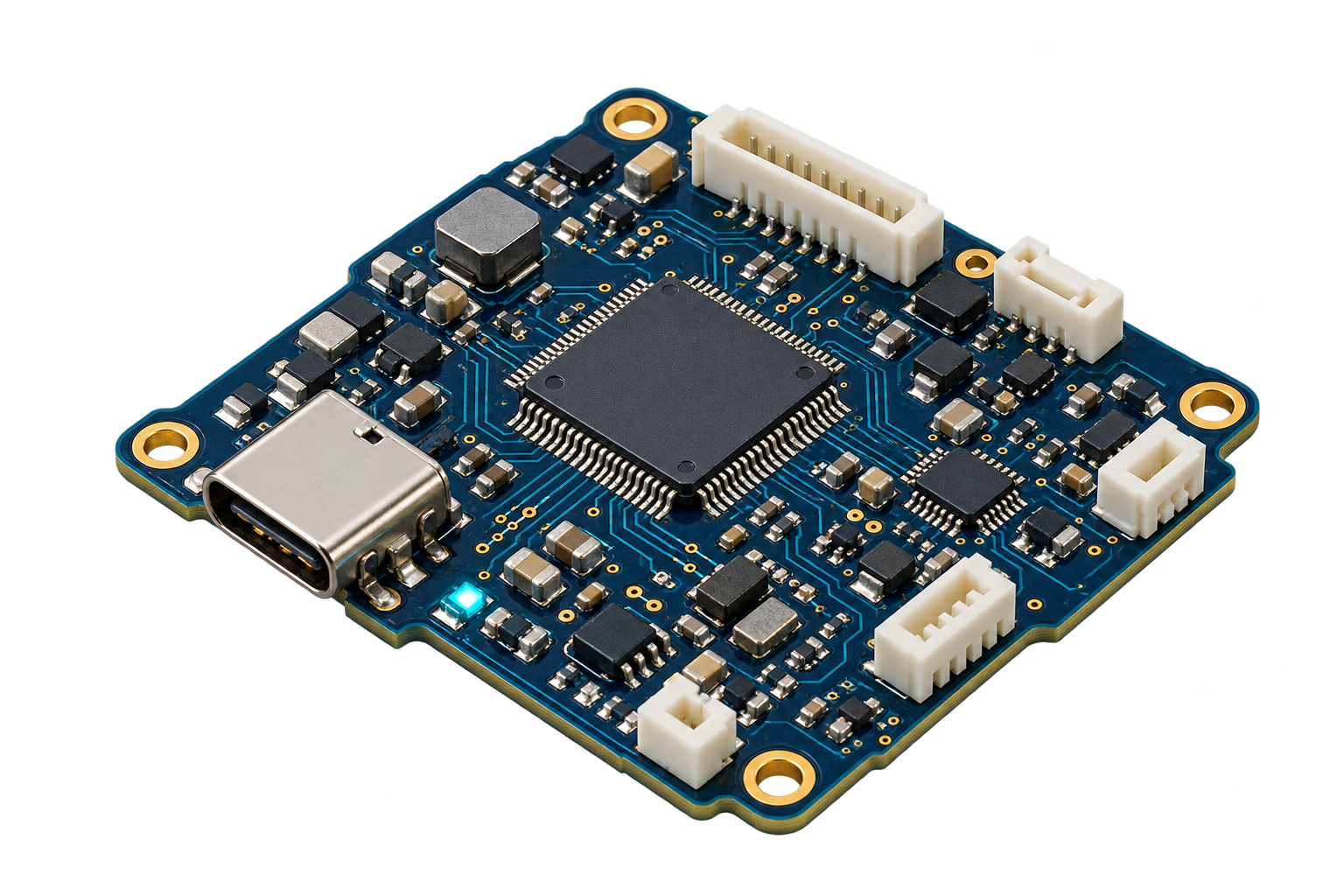
Connecting hardware, software and interfaces to bring your product to life. Xdigit supports embedded system design and integration with your performance, power and size constraints in mind.
Integrate protection into hardware and software and provide technical support for product cybersecurity requirements.
Explore technical capabilities
Trusted hardware
Secure Elements · Trusted Platform Module (TPM)
Cryptography
Standard Cryptography · Post-Quantum Cryptography
Technical support
RED & Cyber Resilience Act (CRA): technical support for applicable cybersecurity requirements and preparation of project technical evidence.
Software Engineering & Validation
Structure software, bring up prototypes and verify system functions, performance and power consumption.
Explore technical capabilities
Architecture & documentation
Software Architecture · Doxygen · UML · SysML
Collaboration & delivery
Git · Docker · CI/CD
Testing & debugging
Testing & Debugging · GDB · Valgrind · gcov
Concept validation
PoC & Demonstrators
Edge AI & Image Processing
Deploy image processing and inference close to the data, within available memory, compute and energy budgets.
Explore technical capabilities
Tools & libraries
TensorFlow Lite · Keras · OpenCV
Image processing
Embedded Image Processing
Deployment constraints
Edge AI on Resource-Constrained Devices
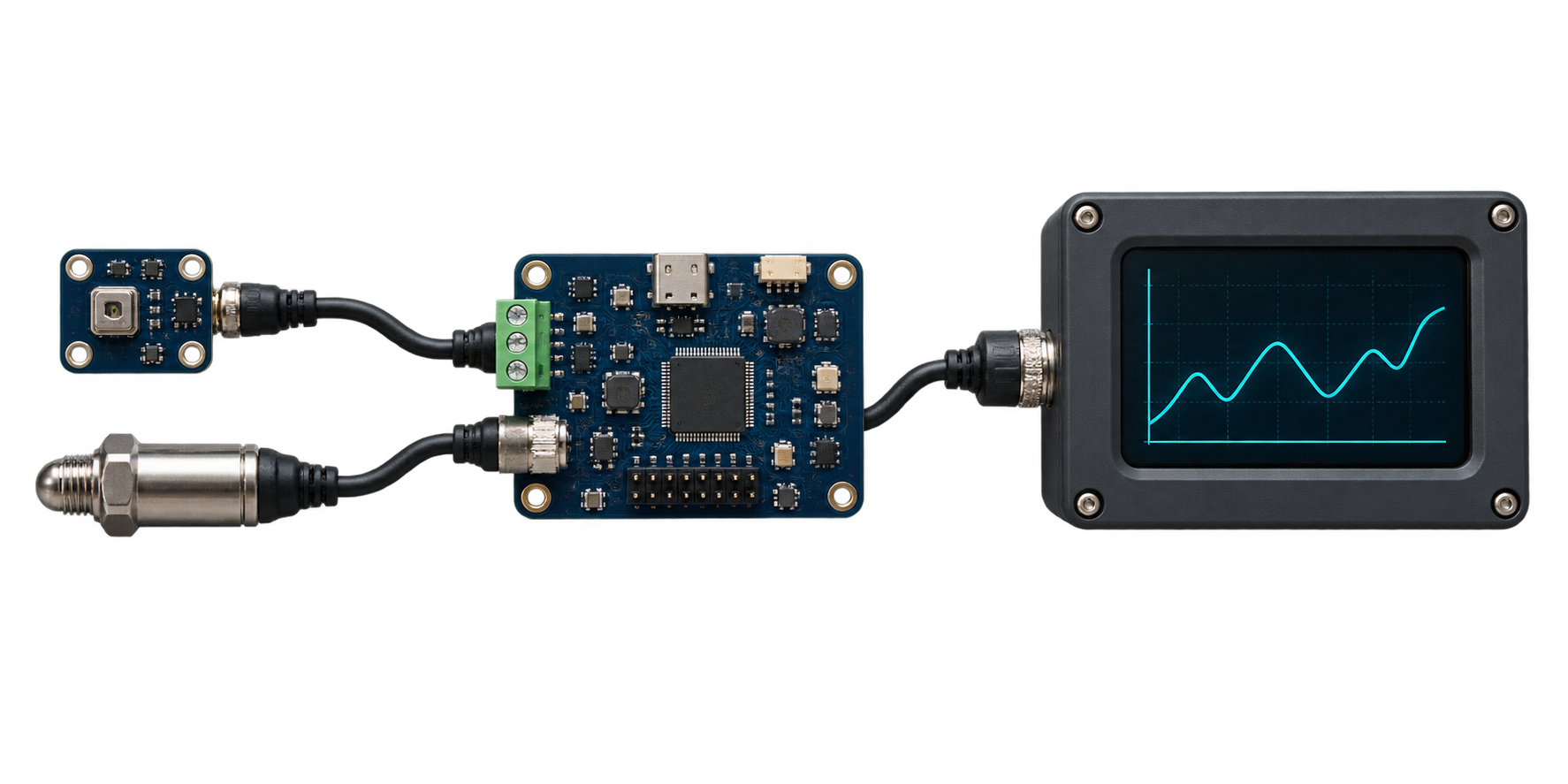
From sensors to the user interface
An embedded system combines complementary building blocks. Their coordination starts with the product definition.
Acquire
Receive sensor signals and convert them into usable data.
Process
Run control and processing functions suited to the application.
Communicate
Transmit information and make it available to the rest of the system.
Structured support, from requirements to prototype
Steps and deliverables depend on project maturity and the agreed scope.
01
Define requirements
Identify functions, operating conditions and technical constraints.
02
Design the architecture
Allocate hardware and software functions and define their interfaces.
03
Develop & integrate
Build the agreed blocks and bring up their connections on a prototype.
04
Validate the system
Verify requirements and prepare the information needed for the next project stage.
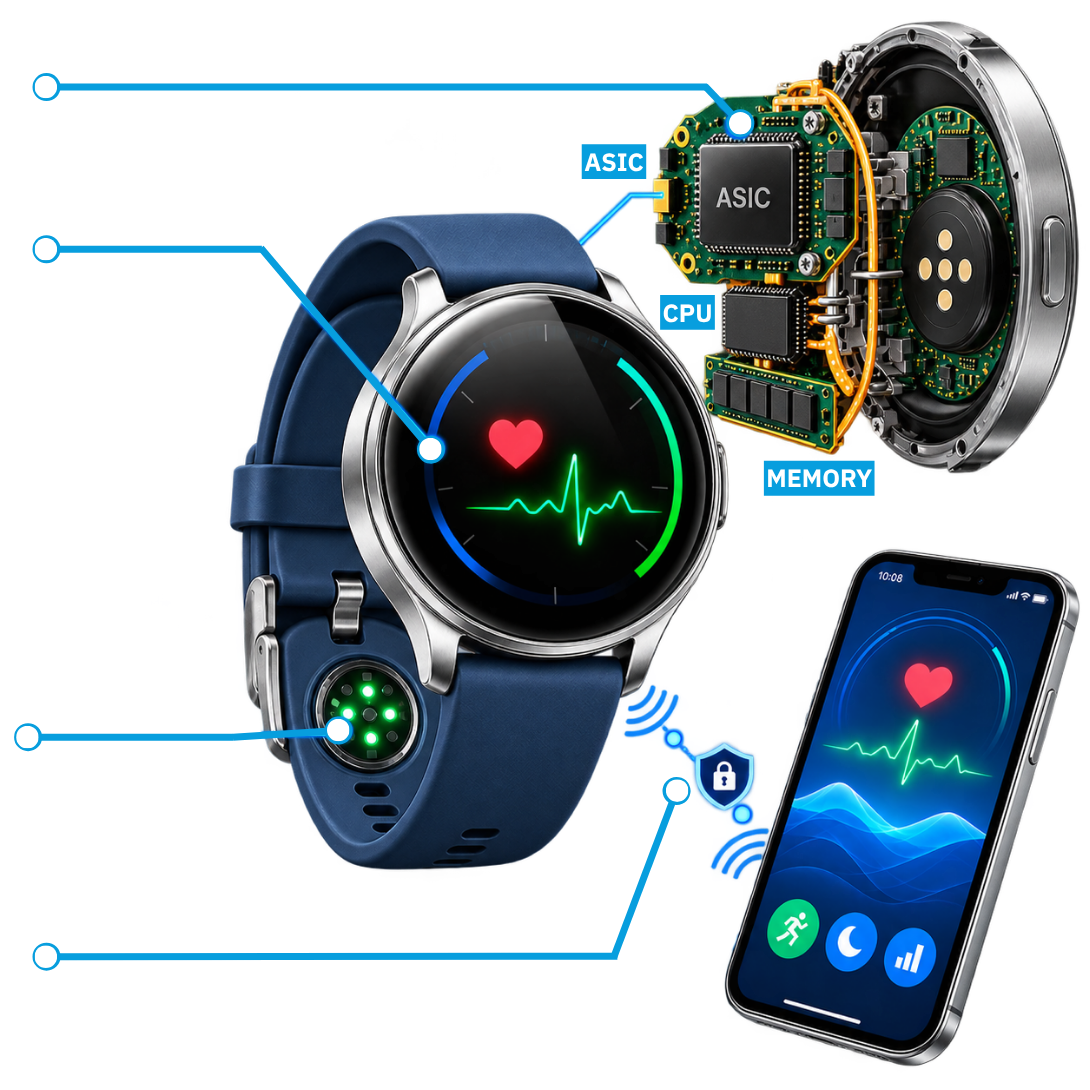
Connecting your ASIC to the wider system
A custom circuit delivers its value within the product that hosts it. Understanding the embedded system helps define its interfaces, constraints and integration.